

Peat-free gardening
Providing gardeners with high quality advice on how to grow peat-free is central to our ambitions. We are doing this by:
Working with universities
We are partnering with Newcastle University on three initiatives. These are:
Testing which messaging on peat-free gardening is most compelling for gardeners.
Undertaking a citizen science experiment with 100 amateur gardeners to gain a greater understanding of their experience in using peat-free compost.
Running evaluated communication campaigns on peat-free with garden centres.
Creating a consistent message
Enrich the Earth has brought together 20 organisations to help gardeners better choose and use peat-free composts. Advice is available as a free downloadable leaflet and a range of social media graphics.
Commenting on the initiative the Government’s Nature Minister, Mary Creagh MP, said:
“This kind of collaboration across the horticultural sector is key to protecting peatlands for the future. Gardeners are keen to do their bit to preserve our wonderful landscapes and this guidance will help bridge the knowledge gap and make peat-free gardening achievable.”
Creating simple and clear guidance
The sale of composts containing peat for home gardeners will soon be banned. To help you transition to sustainable alternatives, Enrich the Earth has created this handy guide.

Step 1: Find your perfect Soil-Mate
First of all, it’s good to work out what exactly you’re going to use your compost for. Check out our section on finding your perfect Soil-Mate, where we can advise the best type of composts for your needs.
There are many types of growing media available, and you can almost always save money by making the right choice.
Step 2: Buying Responsibly
When out shopping for growing media, look for the Responsible Sourcing Schemelogo. This means the ingredients in the product have been checked to ensure they are sustainable and from reputable sources.
What is the Responsible Sourcing Scheme?
The Responsible Sourcing Scheme is the outcome of a government task force, set up to help reduce the use of peat in the UK’s horticulture industry.
The scheme assesses 7 different factors for every ingredient in a bag of compost:
How much energy is used to both make it and transport it?
How much water is required to prepare it?
What impact does the ingredient have on habitats and biodiversity?
Is the ingredient renewable?
How much waste is created by its manufacture?
Does its manufacture cause pollution?
Are there any social issues associated with it?
This results in a “Responsibility Index” for every product, which you can then use to choose environmentally responsible products.
Step 3: Adjusting for Peat Free
Most peat free growing medias contain a blend of ingredients which behave differently to peat. some of the key differences are as follows:
Watering
Some peat free mixes need more water, but be sure to check deeper than the surface. Pop your finger or a skewer into the media to see if it’s just the surface that’s dry. You can also lift pots to see if they feel heavy or light. Over time you’ll know what a pot feels like when it needs watering.
The main thing is not to overwater, plants hate sitting in waterlogged soils and you run the risk of leaching all the nutrients.
Feed
Make sure you start to feed your plants after a few weeks from planting. You can use organic or synthetic feeds, slow release or diluted worm tea.If you’re not sure about a wormery or what dilute worm tea is, don’t worry! Take a look at our how to guide.
Look and feel
Many mixes include wood fibre and barks. They look different to conventional peat based growing medias, but these ingredients work well to support your plants growth. They are particularly beneficial for tropical houseplants, and work well to aerate the soil.
Why is peat-free compost important?
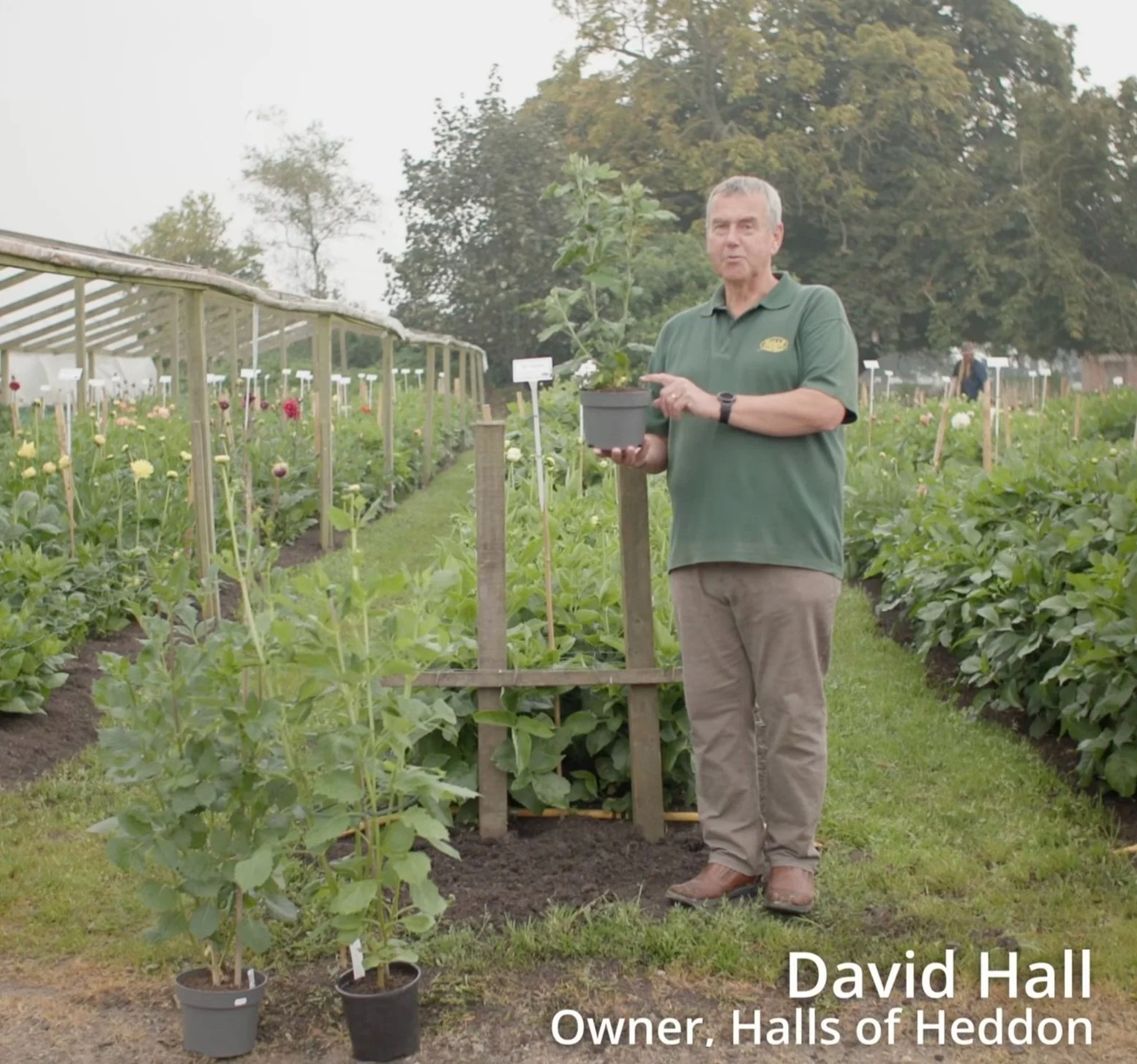
Can peat-free compost grow healthy plants?
David Hall, a second generation Dahlia grower and the owner of Halls of Heddon nursery, walks us through some of the differences between traditional compost and peat-free compost.
Can peat-free compost help the planet?
Ian from GoLocal Food sees composting as a way forward for growers, so that we can stop destroying peatland ecosystems. Peatlands and Peat Bogs sequester carbon dioxide, which causes climate change, and also provide habitats for many different species.
Why should we protect peat, or soil?
Protecting soil health is crucial part of preventing climate change and keeping ecosystems healthy. It's also vital for farming and food production! That's why it's important to protect the natural balance of soils found in peatlands, and make sure we're not accidentally hurting our farms, parks and gardens by damaging the soil.
Find out more from the Soil Association.
The advice is available as a free downloadable leaflet and a range of social media graphics, which are available below. If you wish to join the partnership, please email hello@enrichtheearth.co.uk.


Our current partners


